
Think back to last winter (last week if you’re in Melbourne) when you were curled up at home, the rain’s tapping on the roof, and your heater’s keeping things toasty. Perfect, right?
Except… scratch, scratch, scurry.
Suddenly, you’re not alone.
Yep, rodents. The uninvited tenants nobody signed a lease with. While you’re paying the mortgage, they’re throwing all-night parties in your roof cavity. And the dance floor? Your insulation.

Let’s answer the big question: what insulation stops rats and mice; and how can ThermaHome help you kick Mickey and friends out of your home for good?
Why Do Rodents Love Insulation So Much?
Before we talk about solutions, let’s talk about the problem. Insulation is basically the Airbnb for rodents.
- Warmth: Ceiling spaces and underfloors are cosy hideaways.
- >Nest material: Fibreglass batts and loose-fill insulation make excellent “mattresses” for breeding nests.
- >Access: Gaps, cracks, and old insulation make it easy for critters to move in undetected.
- >Fun fact (or not-so-fun, depending on your situation): A single rodent can chew through electrical wires, ductwork, and even damage plasterboard; leaving you with costly repairs and a horrible mood.
The Good News: Rodent-Resistant Insulation Options
Now, here’s the part you’ve been waiting for, rodent-resistant insulation does exist. And if you’re upgrading with ThermaHome, we’ll guide you toward the best solutions for Melbourne homes.
- Polyester Insulation
Think of polyester insulation as the fortress of the insulation world. It’s tough, durable, and doesn’t have the itchy, fluffy texture rodents love. It’s safe, non-toxic, and most importantly not appetising for rats and mice. - Spray Foam Insulation
Spray foam is like saying: “Good luck, rodents, there’s no room at the inn.”
Because it hardens and seals up cracks and gaps, spray foam insulation leaves rodents with nowhere to nest and no cosy pathways to crawl through. However, this means that any pipes or wires get sealed away beneath the spray foam as well. Let’s hope none of your pipes break, or that your wires don’t deteriorate, because that’s a whole other world of pain and tears.
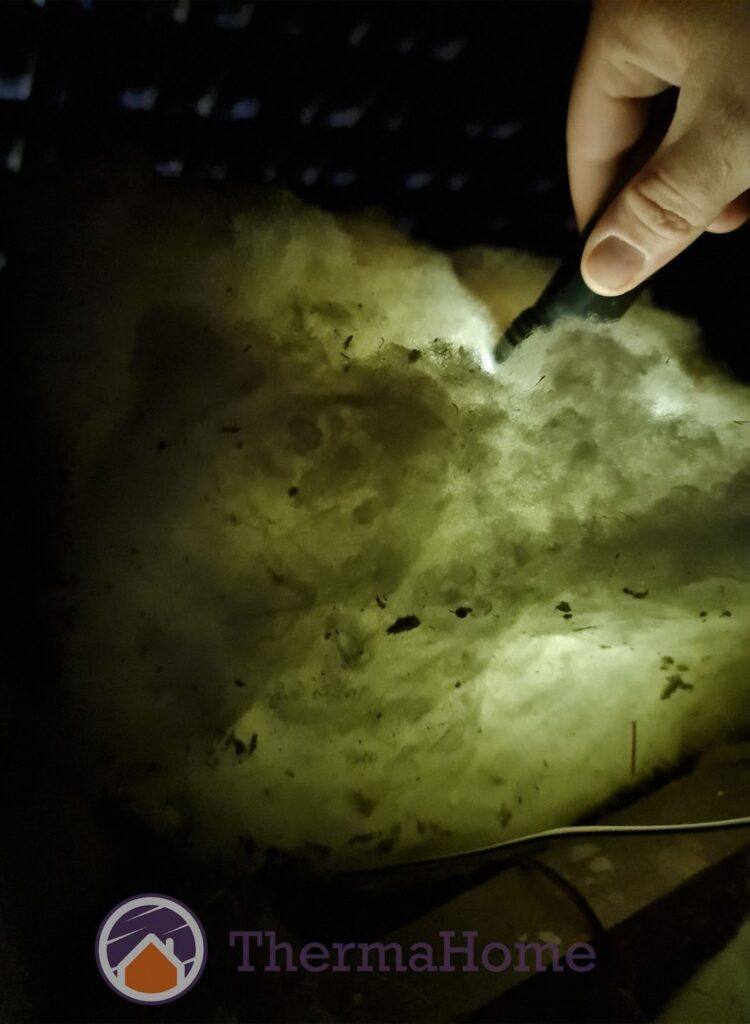
At ThermaHome, we don’t just throw insulation in your house and call it a day. We install it strategically, with rodent-proofing in mind, so your comfort doesn’t double as a critter condo.
Proactive Steps to Keep Rodents Out
Even the best rodent-resistant insulation works better when paired with some preventative steps:
- Seal entry points: Cracks in roofs, walls, and underfloors are open invitations.
- Clear rubbish: Old insulation, debris, and junk (yes, we remove it all at ThermaHome) are rodent magnets.
- Keep food secure: Sounds obvious, but rodent-proof bins and sealed storage make your home less appealing.
- Schedule regular checks: Even rodent-resistant insulation benefits from inspections, especially in older homes.
Why Rodent Resistance Matters Beyond “Ew”
- Health risks: Rodents can spread disease and contaminate air quality.
- Energy bills: Damaged insulation means heat escapes faster, sending your bills sky-high.
- Property damage: Chewed wires = fire risk. Damaged pipes = water damage. Both = financial heartache.
The investment in rodent-resistant insulation pays off big time in long-term safety, comfort, and savings.

How ThermaHome Helps
At ThermaHome, we don’t just install insulation- we solve problems. Whether it’s:
- Ceiling insulation installation to keep your living spaces comfy and critter-free,
- Roof insulation refitting to replace damaged batts (yes, even the ones rodents turned into confetti),
- Underfloor insulation (including steel-framed underfloor systems) that rodents can’t easily gnaw through,
- Or rubbish removal so old, contaminated insulation is safely taken away…
Because let’s face it- rodents don’t pay rent, don’t help with bills, and definitely don’t belong in your ceiling.
We’ve got your home covered.