
And Why They Matter More Than Your Uber Rating
If you’ve ever researched home insulation, chances are you’ve stumbled across a confusing alphabet soup of terms like:
- R-Value
- Energy ratings
- Thermal performance
- 6 Stars
- NCC compliance
- Thermal envelope
And at some point you probably thought:
“Am I buying insulation… or applying for an engineering licence?”
You’re not alone.
At ThermaHome, one of the most common questions homeowners ask is:
What do insulation star ratings actually mean?
The good news?
It’s far less complicated than it sounds.
The even better news?
Understanding insulation ratings can save you serious money on heating and cooling while making your home dramatically more comfortable year-round.
So let’s decode the mystery without making your brain melt faster than a Melbourne footpath in January.
First: There Are Two Different “Ratings” People Confuse
Here’s where many people get tripped up.
When people talk about insulation “star ratings,” they’re often referring to one of two things:
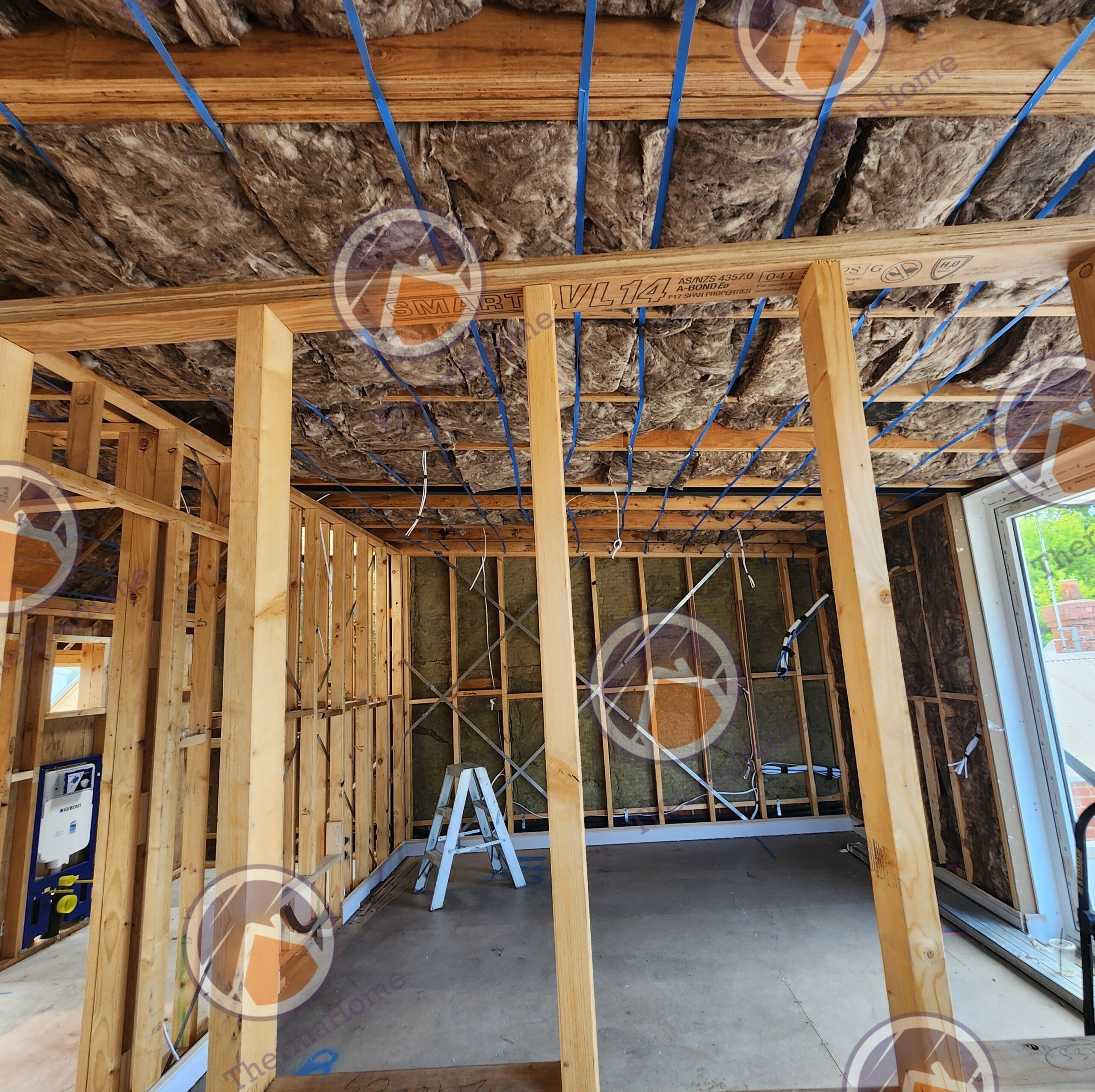
1. R-Values (Insulation Ratings)
This measures how well insulation resists heat flow.
2. Home Energy Star Ratings (NatHERS)
This measures the overall energy efficiency of your entire home.
Both matter.
But they’re very different things.
Think of it like coffee:
- R-values are the quality of the beans
- Star ratings are the quality of the entire café experience
What Is an R-Value?
An R-value measures insulation’s resistance to heat transfer.
In plain English:
It tells you how effectively insulation helps keep heat where you want it.
- In winter → keeps warmth inside
- In summer → keeps heat outside
Generally speaking:
“The higher the R-value, the better the insulation performance.”
So:
- R2.5 = decent insulation
- R4.0 = stronger thermal performance
- R6.0 = even greater resistance to heat transfer
It’s basically insulation’s version of sunscreen SPF.
Technically SPF 10 is still some protection…
…but summer tends to laugh at weak preparation.
Why Higher R-Values Matter
Melbourne’s climate is what scientists professionally describe as:
“Completely incapable of making up its mind.”
One day is freezing.
The next is 37°C.
Sometimes both happen before lunch.
That’s why insulation performance is especially important in Victoria.
According to YourHome.gov.au:
- Insulation helps reduce heat flow in and out of homes
- Higher R-values improve thermal efficiency and comfort
For many homes, ceiling insulation around R5.0 is commonly recommended depending on the property and roof structure.
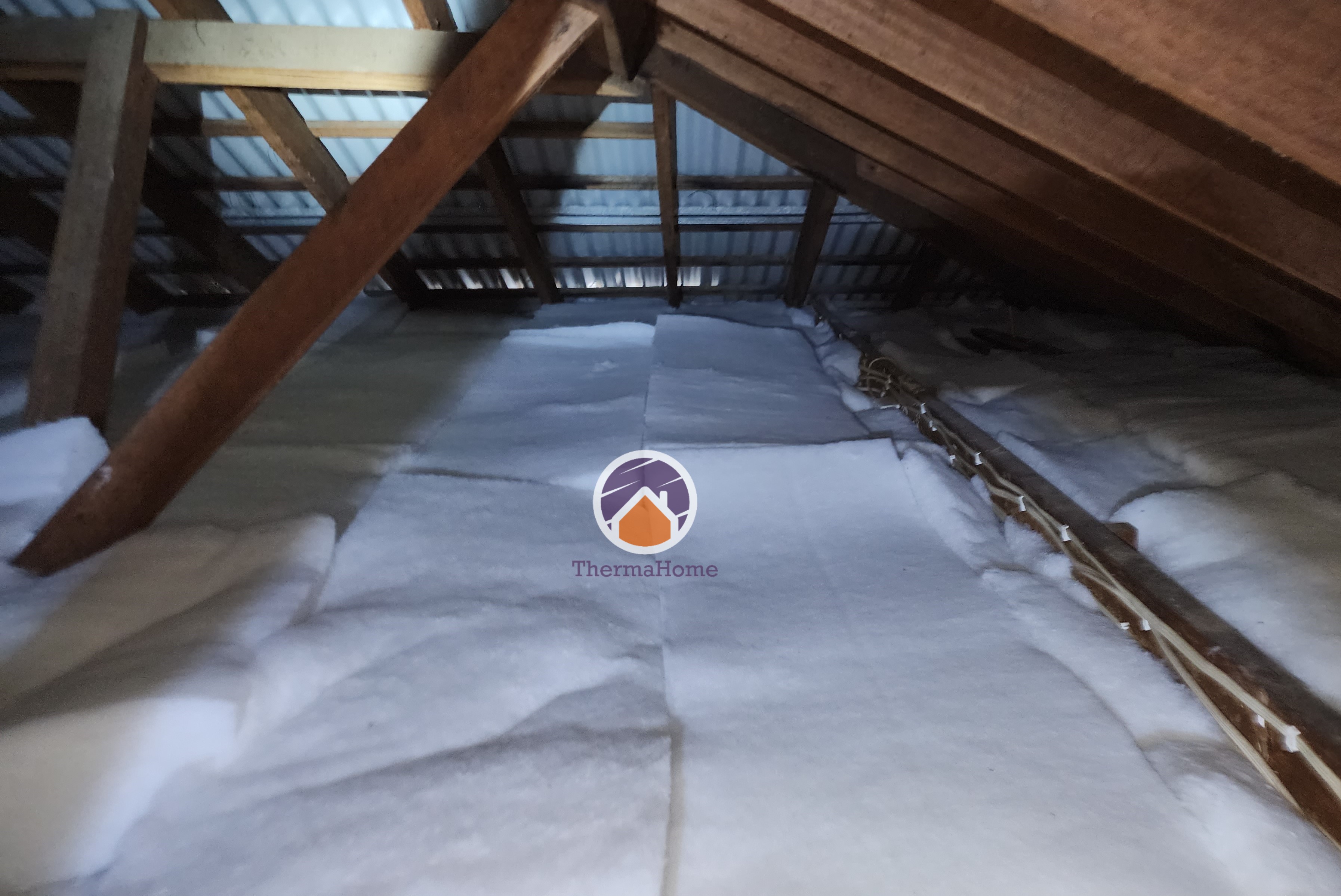
Because without proper insulation, your heater and air conditioner end up fighting your roof cavity like two exhausted parents arguing with a toddler at bedtime.
What Is a Home Energy Star Rating?
Now let’s discuss the other “star rating.”
In Australia, homes are often assessed under the Nationwide House Energy Rating Scheme (NatHERS).
This gives homes an energy efficiency score, usually from:
- 0 stars → basically an outdoor tent with ambition
- 10 stars → highly energy-efficient passive home
New Australian homes must now meet higher minimum energy efficiency standards under the National Construction Code (NCC), with many requiring around 7-star performance.
These ratings assess:
- Insulation
- Windows
- Building orientation
- Roof performance
- Draught sealing
- Construction materials
Importantly:
Good insulation heavily contributes to higher star ratings.
Why Poor Insulation Hurts Your Home’s Performance
According to Sustainability Victoria:
- Heating and cooling account for roughly 40% of household energy use
- Poor insulation significantly increases heating and cooling demand
That means many homes are:
- Harder to heat
- Harder to cool
- More expensive to run
- Less comfortable year-round
In practical terms?
Your energy bill starts looking like it has a personal grudge against you.
Does Higher R-Value Always Mean Better?
Generally speaking:
Yes.
But there’s nuance.
A higher R-value usually improves thermal performance, but:
- Correct installation matters enormously
- Gaps reduce effectiveness
- Compression weakens insulation
- Roof design can impact results
Which means:
Excellent insulation poorly installed can still underperform.
This is why ThermaHome AU focuses heavily on:
- Professional installation
- Correct product matching
- Melbourne-specific thermal solutions
- Proper ceiling and underfloor coverage
Because insulation shouldn’t resemble someone angrily stuffed doonas into your roof cavity and called it engineering.
What R-Value Should You Choose?
The right R-value depends on:
- Your climate zone
- Home construction
- Existing insulation
- Roof space depth
- Budget
- Energy goals
Many Melbourne homeowners choose:
- R3.5 ceiling insulation
- R2.5 underfloor insulation
ThermaHome provides tailored recommendations depending on the home’s design and thermal weak points.
And importantly:
Even minimum or moderate insulation upgrades can noticeably improve comfort and reduce energy costs.
People Notice the Difference
Renovation forums are full of homeowners discussing insulation upgrades and R-values.
Many report:
- warmer winters
- cooler summers
- reduced heater use
- improved comfort almost immediately

So, to summarise- what do insulation star ratings mean?
In simple terms:
They measure how effectively your home resists unwanted heat transfer and maintains comfortable indoor temperatures.
Higher R-values generally mean:
- Better insulation
- Lower energy bills
- Improved comfort
- Reduced heating and cooling demand
And stronger home energy star ratings mean your entire house performs more efficiently overall.
At ThermaHome, insulation isn’t just about ticking boxes or meeting building standards. It’s about creating homes that actually feel comfortable to live in, despite having all seasons in one day.
More comfort. More savings. More smart upgrades.
👉 Keep reading with ThermaHome and discover our “Stamp Duty & Shivering Homes” blog, to what your home’s been missing.