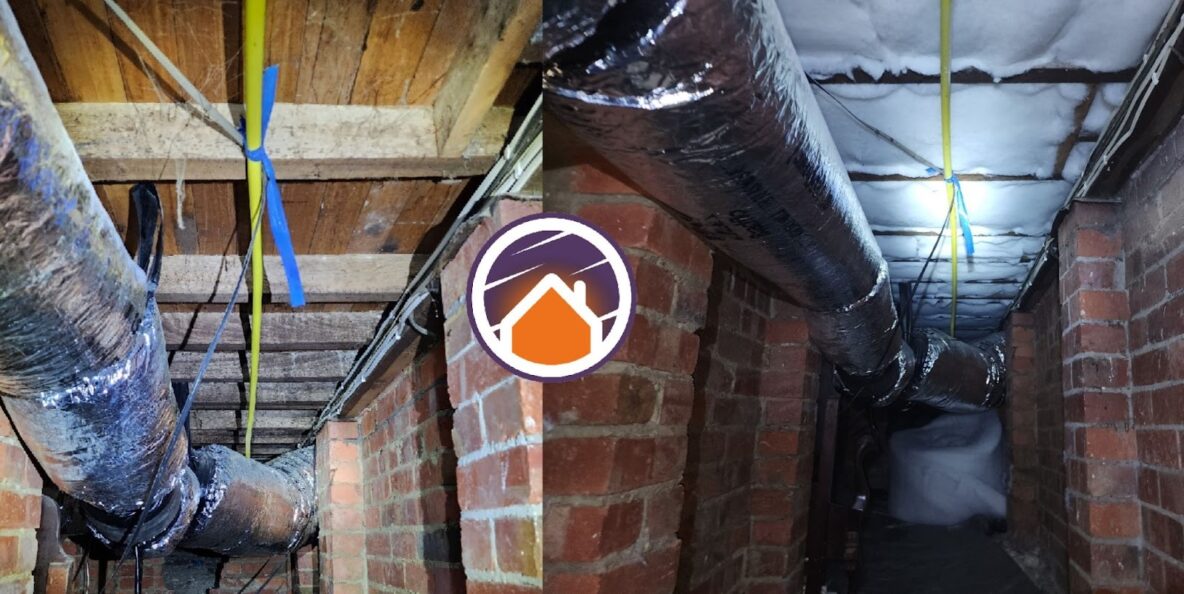
If you’re thinking about getting that cosy ceiling insulation installed by ThermaHome, you might be wondering: “Do I need an electrical safety check first?” Short answer: Very likely. And skipping it isn’t just risky, it could be downright dangerous. But don’t worry, we’ll walk you through why it’s important, how it applies to your insulation upgrade, and how ThermaHome handles this safely.
Why an Electrical Safety Check Isn’t Just Red Tape
- Hidden Wiring Hazards in Your Ceiling
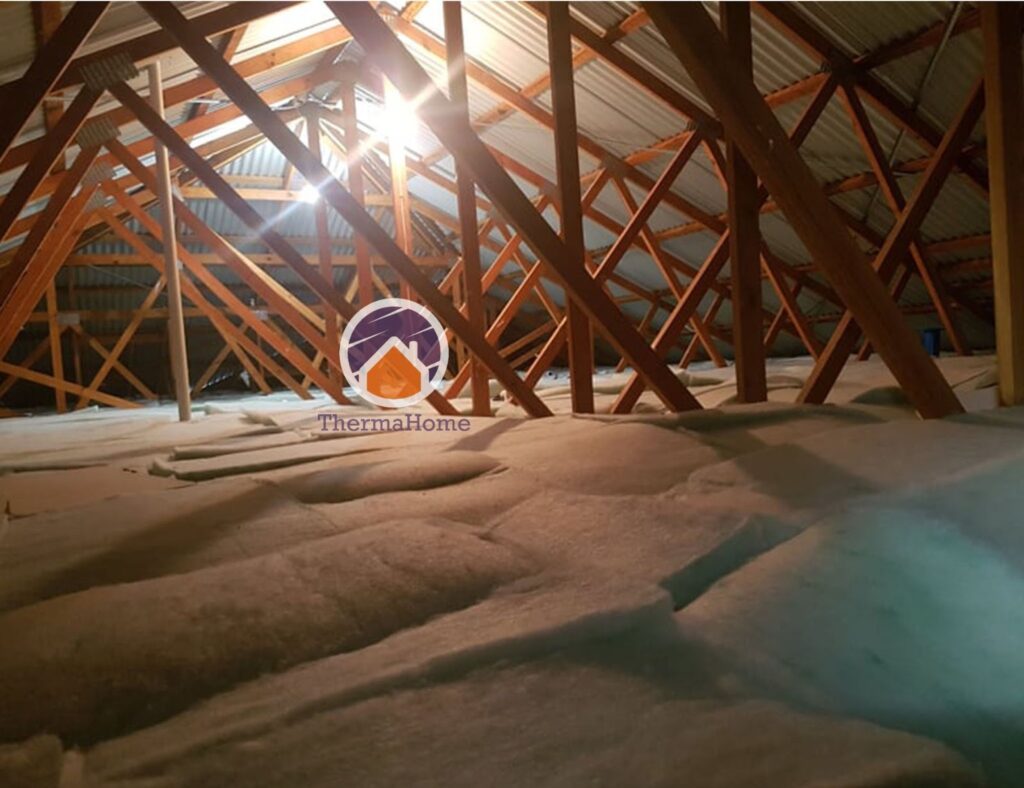
Your roof space isn’t just dusty insulation batt storage, it may also be a network of electrical wiring. Ceiling spaces commonly contain wiring for lights, fans, air-con, and more. Disturbing that wiring without understanding what’s up there can lead to serious shock risks.
Older houses are especially vulnerable: insulation around outdated or damaged wiring can cause overheating, brittle insulation melting, or even exposed conductors. - Regulatory Rules Back Up the Risks
Victoria’s electrical safety regulator, Energy Safe Victoria, has regulations ensuring that any electrical installation work be tested and certified.
These rules exist for a reason; they’re not just formalities.
Furthermore, national workplace safety guidelines clearly state that only licensed electricians should manage any electrical work, especially in high-risk areas like ceiling spaces. - When Insulation Meets Electricity, Things Need to Be Checked
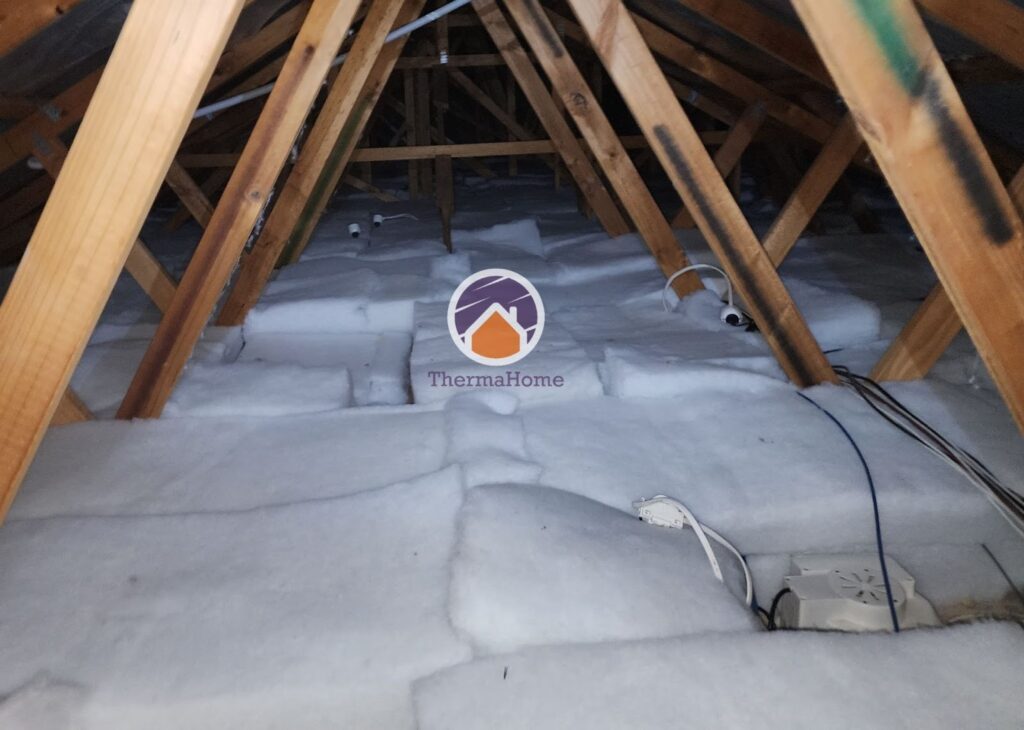
Insulation installers must be aware of wiring in roof spaces, particularly around downlights, transformers, or any exposed cables. WorkSafe warns about “electrically conductive insulation” (such as foil-based types) that could interact dangerously with live circuits.
Do You Have to Get a Check?
There’s no universal law in every state that forces every homeowner to get an electrical safety check before insulation; but many building codes and safety practices strongly recommend it, especially when insulation is being installed in ceiling spaces.
Even in areas without a legal mandate, safety best practice demands that installers or homeowners get a wiring inspection to identify hazards such as degraded insulation or poorly rated circuits.
It really depends on where you are, how old your wiring is, and what kind of insulation you’re installing- but in many cases an electrical check is recommended.
What Does the Check Involve?
A licensed electrician will:
- Inspect your wiring. They are looking for frayed jackets, exposed conductors, or circuits that don’t comply with current safety standards.
- Test the circuit(s). Including continuity, earth connections, and possibly perform insulation resistance testing as in accordance with relevant standards.
- Issue a report. Sometimes called an Electrical Safety Inspection Report.
- Recommend fixes if needed.
How ThermaHome Approaches This (and Why You’ll Be Glad They Do)
When you work with ThermaHome to install insulation:
- Safety first. Our team doesn’t just roll insulation into your roof — we recognise the electrical risks.
- Long-term peace of mind. By ensuring your wiring is safe before insulation goes in, you reduce the risk of future shocks, fire hazards, or insurance issues. It may feel like extra work now, but it’s smarter and safer.
Do I need an electrical safety check to install insulation? In some cases, yes, but not always.
Is it a hassle? A little, but it’s a responsible one: it protects your home, and you from real electrical risks.
Does ThermaHome care about it? Absolutely. We prioritise safe installs to make sure your insulation upgrade is done the right way.