
Teeny Tiny Tents for Your Ceiling…
or Total Game-Changers?
If you’ve ever poked your head into your roof cavity (or had one of our team members at ThermaHome do it for you), you’ll know it’s not exactly a luxury penthouse. It’s dusty, draughty, and full of gaps that you probably didn’t know existed.
One of the biggest culprits?
Your downlights.
Yep, those sleek little ceiling lights we all love? They could be quietly undoing a ton of the hard work your ceiling insulation is trying to do.
So let’s break it down properly…
What are downlight covers, and what is the benefit?
Downlight covers (aka downlight guards or downlight protectors) are protective barriers installed over the lights in your ceiling.
Think of them as:
- 🏕️ Tiny fire-resistant tents
- 🛡️ Protective shields
- ❄️ Thermal bodyguards for your insulation
Their job is simple but crucial:
- Reduce air leakage through ceiling penetrations
- Improve overall energy efficiency
- Create a safe barrier between your downlights and insulation
- Prevent heat build-up
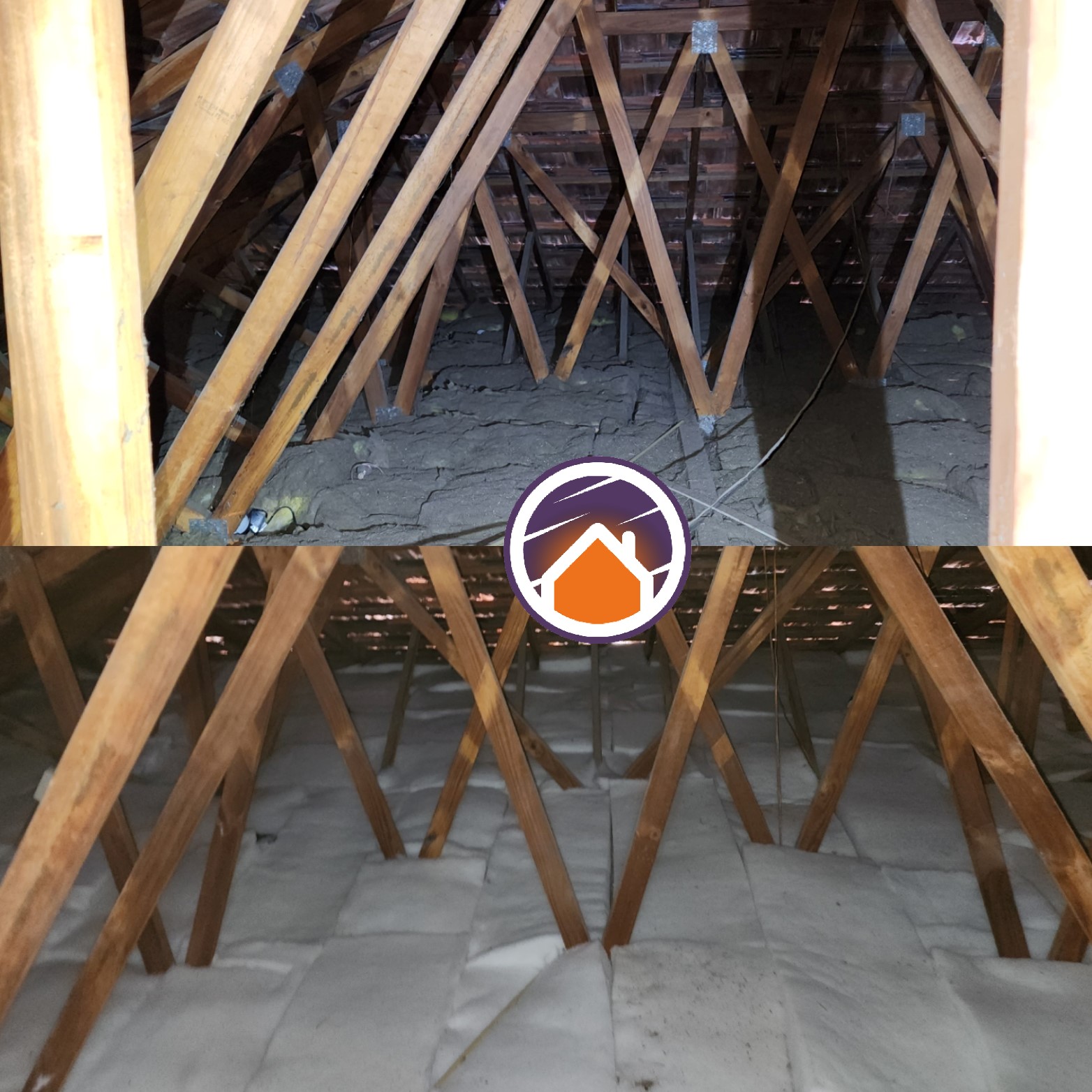
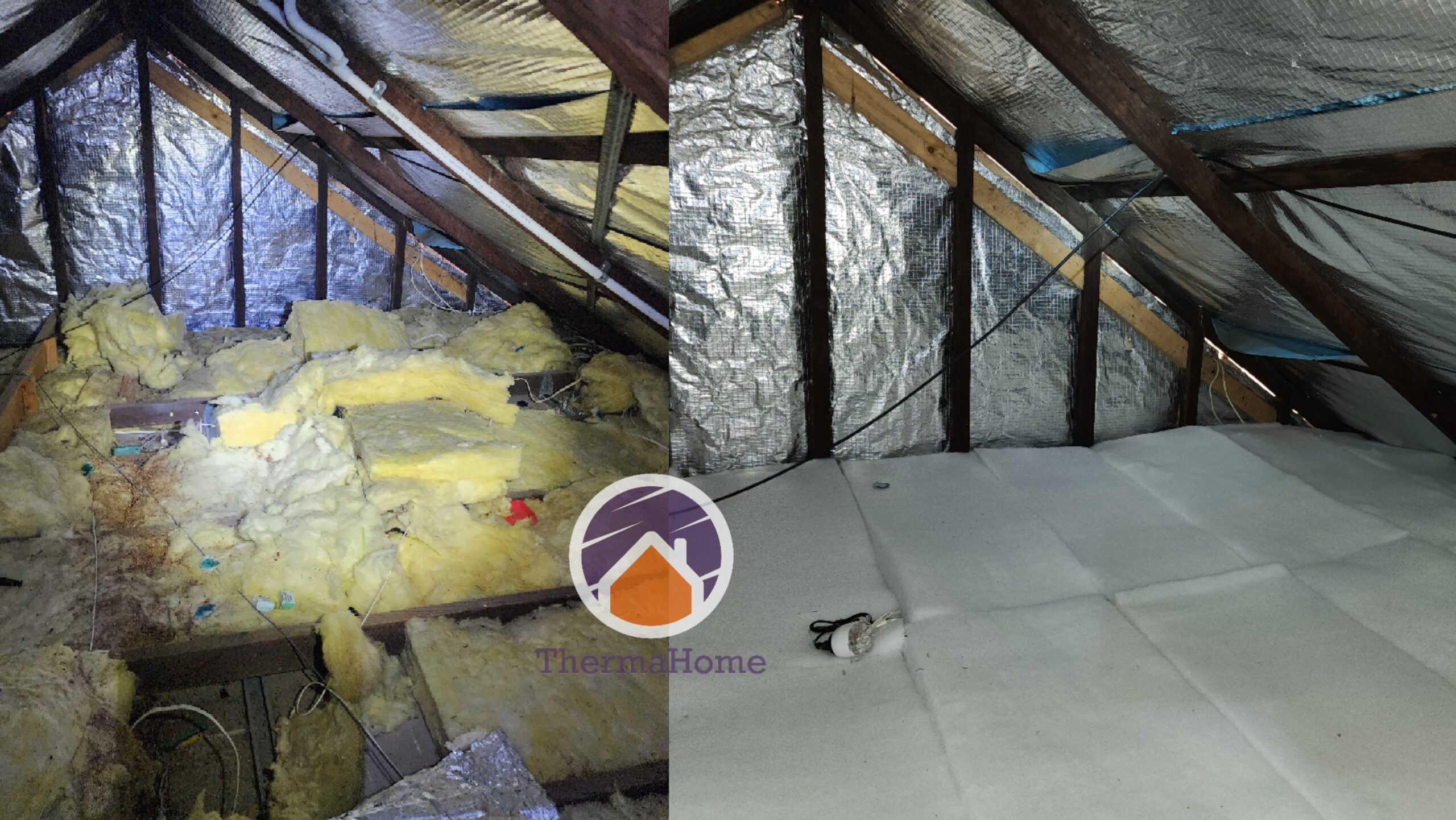
Without a downlight cover, insulation has to be pulled back around most light fittings to prevent overheating and fire risk. That leaves gaps; and gaps mean heat loss in winter and heat gain in summer.
And in Melbourne’s climate? That’s money floating straight out your roof.
Why Downlights Are a Hidden Energy Problem?
Most Australian homes have multiple downlights. Each one requires a cut-out in your ceiling plaster.
Now imagine 10, 15, even 30 holes in your ceiling. That’s not just lighting.
That’s ventilation… just not the kind you want.
These openings allow:
- Warm air to escape in winter
- Hot roof air to enter in summer
- Conditioned air to leak into your roof cavity
This creates two major enemies of energy efficiency: 1) thermal bridging and 2) uncontrolled air movement.
If you’re investing in ceiling insulation installation, but leaving exposed lights untouched, it’s a bit like buying a puffer jacket and cutting holes in it.
Are Downlight Covers Really Helpful?
Short answer?
Absolutely!
1. Improved Energy Efficiency
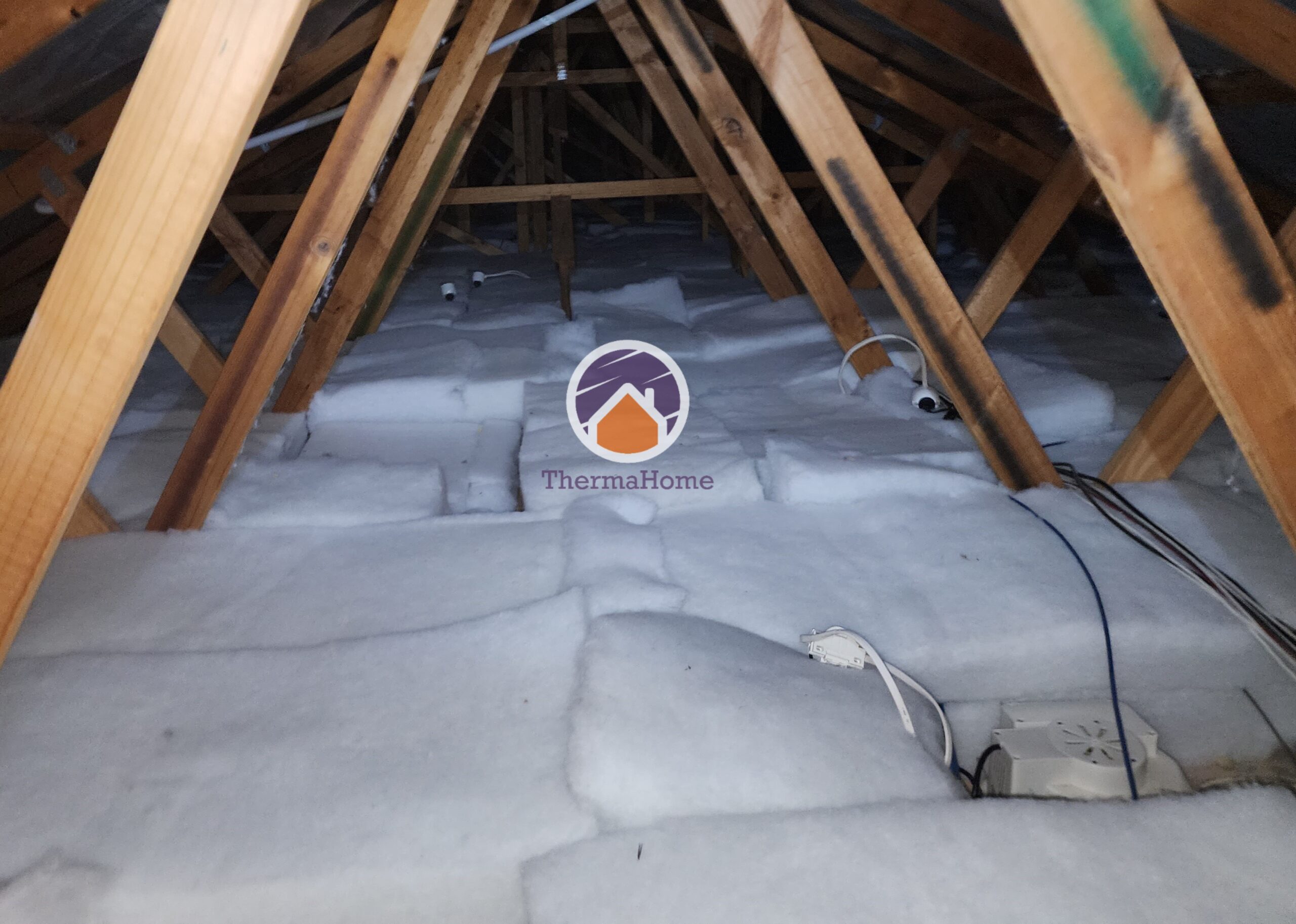
Downlight covers allow insulation to be safely laid over and around light fittings. That means:
- No more insulation gaps
- Reduced air leakage
- Better thermal performance
The result? A more consistent indoor temperature and lower heating and cooling costs.
For homeowners in Victoria, where we experience chilly winters and hot summers, that can mean noticeable energy savings year-round.
2. Increased Fire Safety
Older halogen downlights, in particular, generate significant heat. Even modern LED fittings still require compliance with safety standards.
Downlight covers are made from fire-retardant materials and:
- Maintain safe clearance around fittings
- Prevent direct contact with hot surfaces
- Reduce fire risk in roof cavities
3. Moisture & Draught Reduction
Roof cavities aren’t airtight. Without covers, downlight penetrations can allow:
- Roof dust into living areas
- Draughts around fittings
- Moist air movement into insulation
Downlight covers help reduce these unwanted air pathways, thus improving overall home comfort. No more mystery breeze in your lounge.
When Should You Install Downlight Covers?
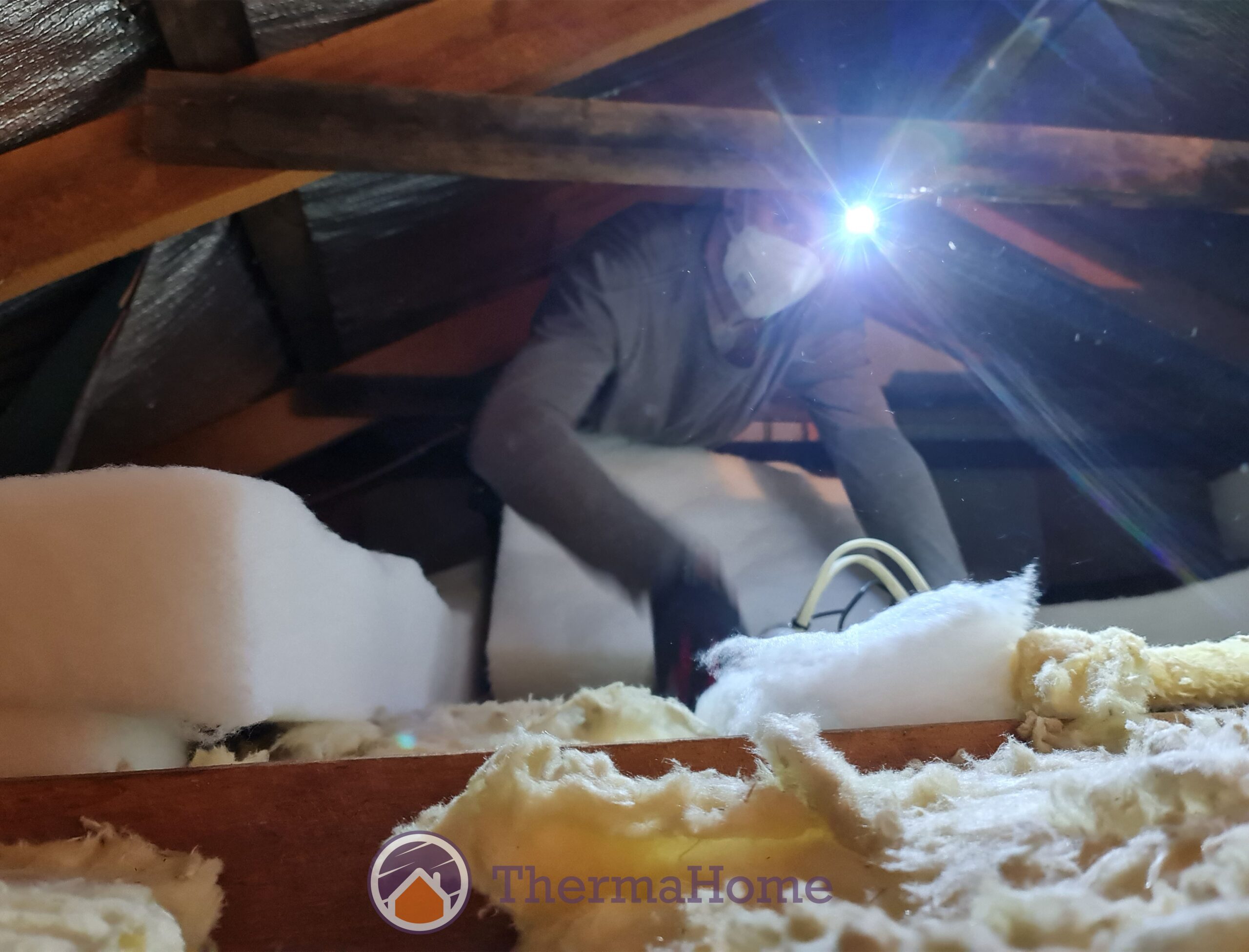
During a ceiling insulation installation or roof insulation refit.
That’s when access is easiest and everything can be installed correctly in one go.
If you’re already upgrading your insulation, it makes sense to optimise the entire system. Otherwise, you’re only solving a portion of the problem.
At ThermaHome, we assess:
- The type of existing downlights (IC-4, LED, halogen)
- Current insulation condition
- Roof cavity layout
- Compliance and safety requirements
Because insulation isn’t just about laying out batts. It’s about creating a complete thermal envelope.
Are They Worth the Investment? Let’s be practical.
Downlight covers aren’t the most glamorous upgrade. They won’t change your kitchen aesthetic. They won’t increase your street appeal.
But they will:
- Improve energy efficiency
- Support your insulation performance
- Help lower bills
And in a market where energy costs continue to rise, small thermal improvements add up fast. If your home has 15 downlights and each one creates an unsealed gap, that’s 15 weak points in your ceiling system. Fixing them is a smart move, especially if you’re serious about long-term comfort and savings.
Common Questions We Hear:
“I already have LED lights, do I still need covers?”
For the best performance and longevity of your insulation and lights, yes. Even some LEDs require correct insulation clearances (unless they are specifically rated for insulation contact- IC-4 rated).
“Can’t I just have a gap around the light?”
You can, but that reduces insulation effectiveness and creates air leakage pathways.
“Is this something I can DIY?”
Sure, if you are happy to climb around your dusty, cramped, dark, and possibly spider ridden roof space, installing light covers can be a DIY task. However, if you already have the professionals working above your ceiling leave it to them, especially when working around wiring, and other probable hazards.
The Bigger Picture: Insulation Done Properly
At ThermaHome we specialise in:
- Ceiling insulation installation
- Roof insulation refitting
- Underfloor insulation
We see it all flattened batts, insulation pushed aside, gaps around fittings, and costly shortcuts. Downlight covers are one of those small details that make a big difference
Insulation works best when it’s continuous. Once you interrupt it, performance drops,
and we never do halfway jobs.
So… Are Downlight Covers Worth It?
If you care about:
- Energy efficiency
- Fire safety
- Indoor comfort
- Getting the best ROI from your insulation
Then yes, downlight covers are absolutely worth it. They may be small. They may sit quietly in your roof space. But they play a powerful role in keeping your home comfortable and your energy bills lower. Usually, the biggest upgrades aren’t the ones you see.
If you’re unsure whether your home has proper downlight protection, or you’re planning a ceiling insulation upgrade, we can help assess your setup and recommend the right solution, because when it comes to insulation, details matter.
Want to learn more, check out our blog “Is Your Insulation Past Its Prime? A Guide to Knowing When to Replace, Refit, or Restore“