
You’re blissfully running the heater, wearing your oh so comfy Oodie, and suddenly the living room feels like a freezer. Your feet become chilled, the ceiling is warm, and your heater is doing an interpretive dance trying to keep up.
What gives?
Heat (and air) move in ways you don’t see, and your house is quietly playing the stack effect.
Hot air, cold floor: the anatomy of unwanted airflow
Warm air rises, that’s not a party trick; it’s physics. When there’s a temperature difference between the inside of your home and the space beneath it (or between floors), buoyancy makes air move. The warmer, lighter air heads upwards, and cooler, denser air sinks. In buildings this is often called the stack effect (or chimney effect), this is the same principle that makes fireplaces draw air. When your underfloor cavity is uninsulated, it becomes a pathway for unwanted air movement and heat transfer.
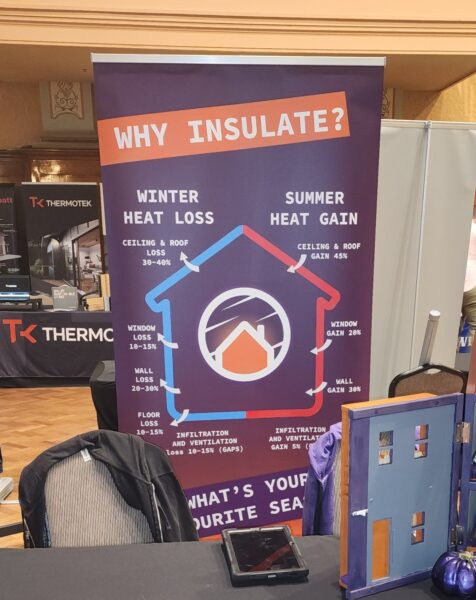
In summer, heat from the ground or underfloor space can warm the floor from below, pushing cooler conditioned air upwards where it clings to the ceiling, leaving your head cool and feet icy.
In winter, the opposite happens: heat escapes through the floor and cold air creeps in at low levels, pulling your heating duty into overdrive. This inefficient circulation means your air-con works harder (and your power bills swell). Sustainability and building guides highlight these dynamics and point to insulation (and draught proofing) as a primary fix.
Underfloor convection: tiny currents, big costs
Even modest convective air movement under the floor can translate to significant heat loss or gain. Research and industry sources estimate that floors can account for 10% – 20% of a home’s heat transfer, so sealing and insulating that cavity matters. Reduce the convection and you reduce the load on your heating or cooling system.

Quick tips if you’re feeling draughty now:
- Check whether your subfloor has insulation and whether it’s intact (no sagging, wet spots or gaps).
- Seal obvious gaps and vents where feasible (but keep required ventilation in mind for moisture control).
- Get a professional assessment underfloor work can be fiddly, and incorrect installs reduce performance.
- Ask about R-values suited for your local climate, because higher R isn’t always better; especially if installed poorly.
Want to learn more, check out our blog “Where to Start Your Home’s Cosy Makeover“