
Let’s be honest, no one wakes up in the morning thinking about mould. Until, of course, it shows up uninvited, lurking in the corners of your home like that one friend who “just popped by” and overstays their welcome.
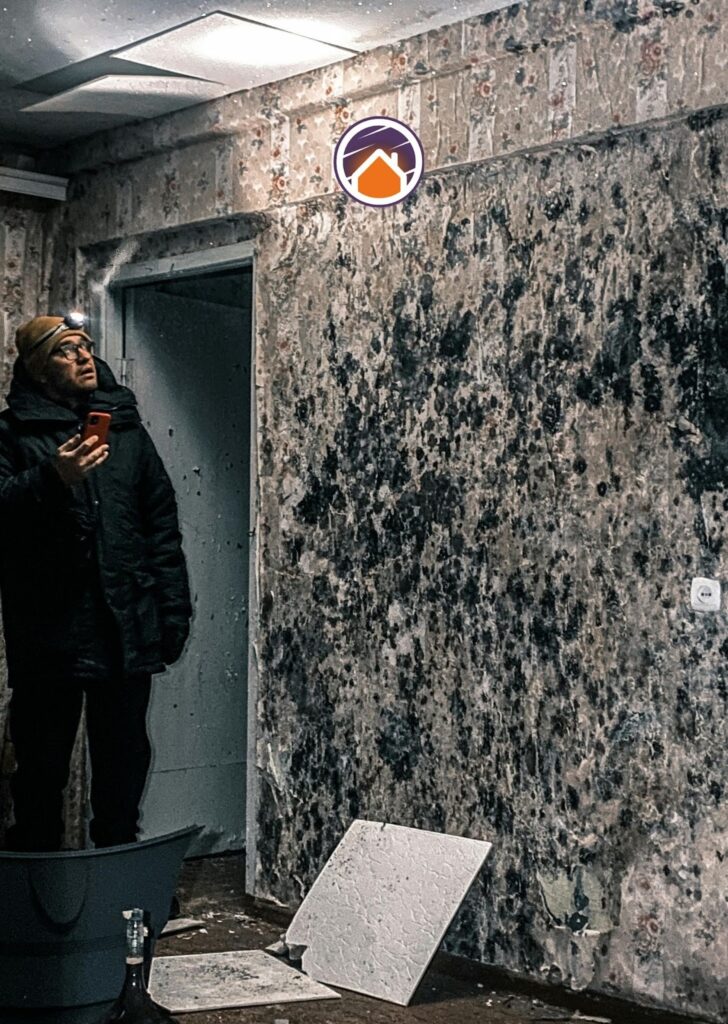
But here’s the real kicker: mould doesn’t just cling to your bathroom tiles or under the sink. If the conditions are right (or, more accurately, very, very wrong), mould can grow on your insulation too. And that’s bad news for your comfort, your health, and your wallet.
At ThermaHome, we know insulation is supposed to keep your home cosy, not creepy. So let’s break down the mould mystery.
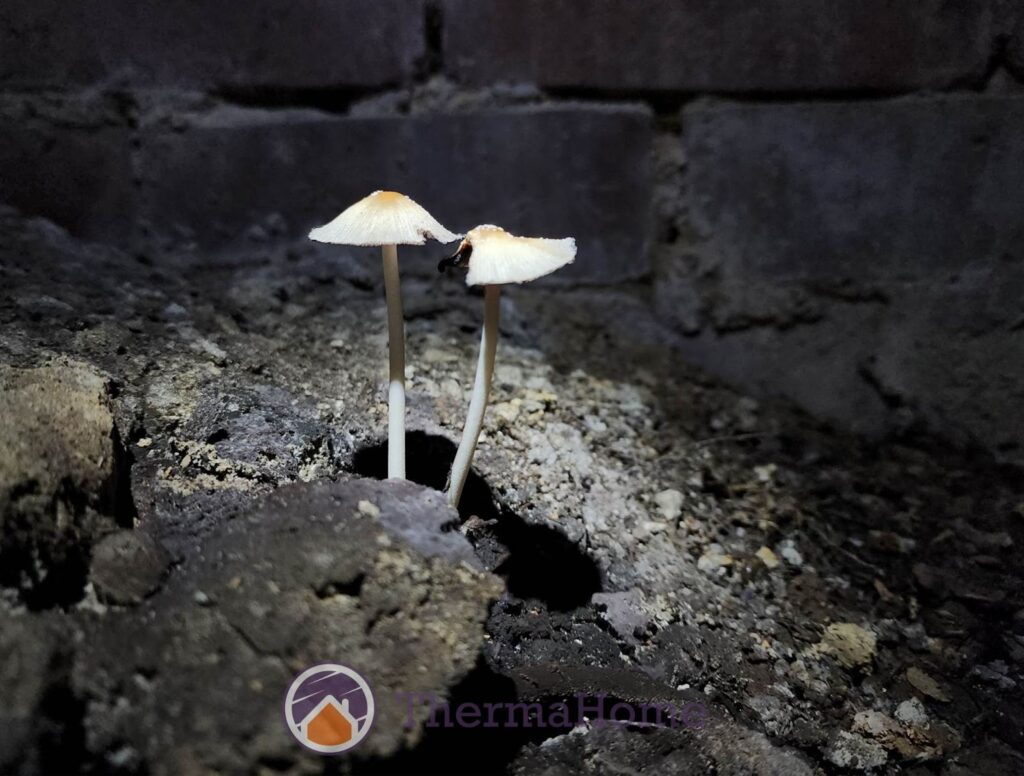
First Things First: Why Does Mould Happen?
Mould is a type of fungus that loves three things:
- Moisture 💧
- Food 🍞
- Poor ventilation 💨
When those three combine, mould thinks, “Aha! My dream home!” and sets up camp.
So… Can insulation get mould?
The short answer: Yes, but only if it’s the wrong type of insulation or installed poorly. For example:
- Fibreglass insulation: Generally resists mould since it’s not organic, but if it gets damp and stays damp, mould can grow on the dust and debris trapped inside it.
- Cellulose insulation: Made from recycled paper, so it’s like a buffet for mould if moisture sneaks in.
- Polyester insulation: Non-toxic, hydrophobic, and much more resistant to mould (that’s one reason we love it at ThermaHome).
- Underfloor insulation (especially steel-framed systems): Keeps the moisture from creeping up through draughty, damp floors.
So while not all insulation is equal, the real problem is water sneaking in where it doesn’t belong.
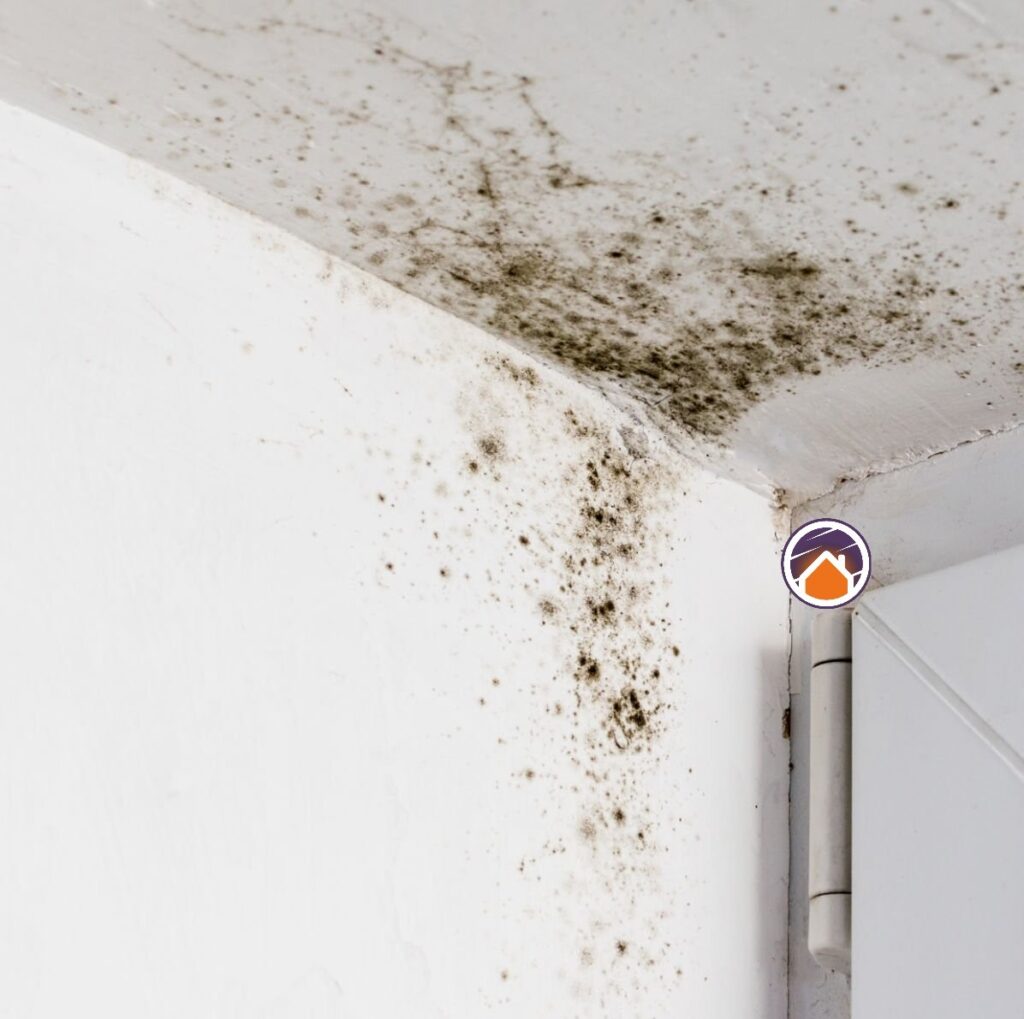
The Melbourne Factor 🌧️
Here in Melbourne, we’ve got unpredictable weather that keeps us guessing: hot one day, soggy the next. That combo makes homes especially vulnerable to condensation, roof leaks, or underfloor dampness.
Without proper insulation and ventilation, your home becomes the perfect greenhouse for mould spores. That’s why professional installation matters. It’s not just about stuffing batts in a roof cavity and calling it a day.
At ThermaHome, we:
✔️ Inspect thoroughly before installation
✔️ Identify moisture risks (broken ceiling tiles, dripping pipes, etc)
✔️ Use insulation that’s safer, longer-lasting, and resistant to mould (polyester)
Because your home deserves insulation that works with Melbourne’s wild weather, not against it.
Want to learn more, check out “To Vacuum Or Not to Vacuum Your Ceiling Space“